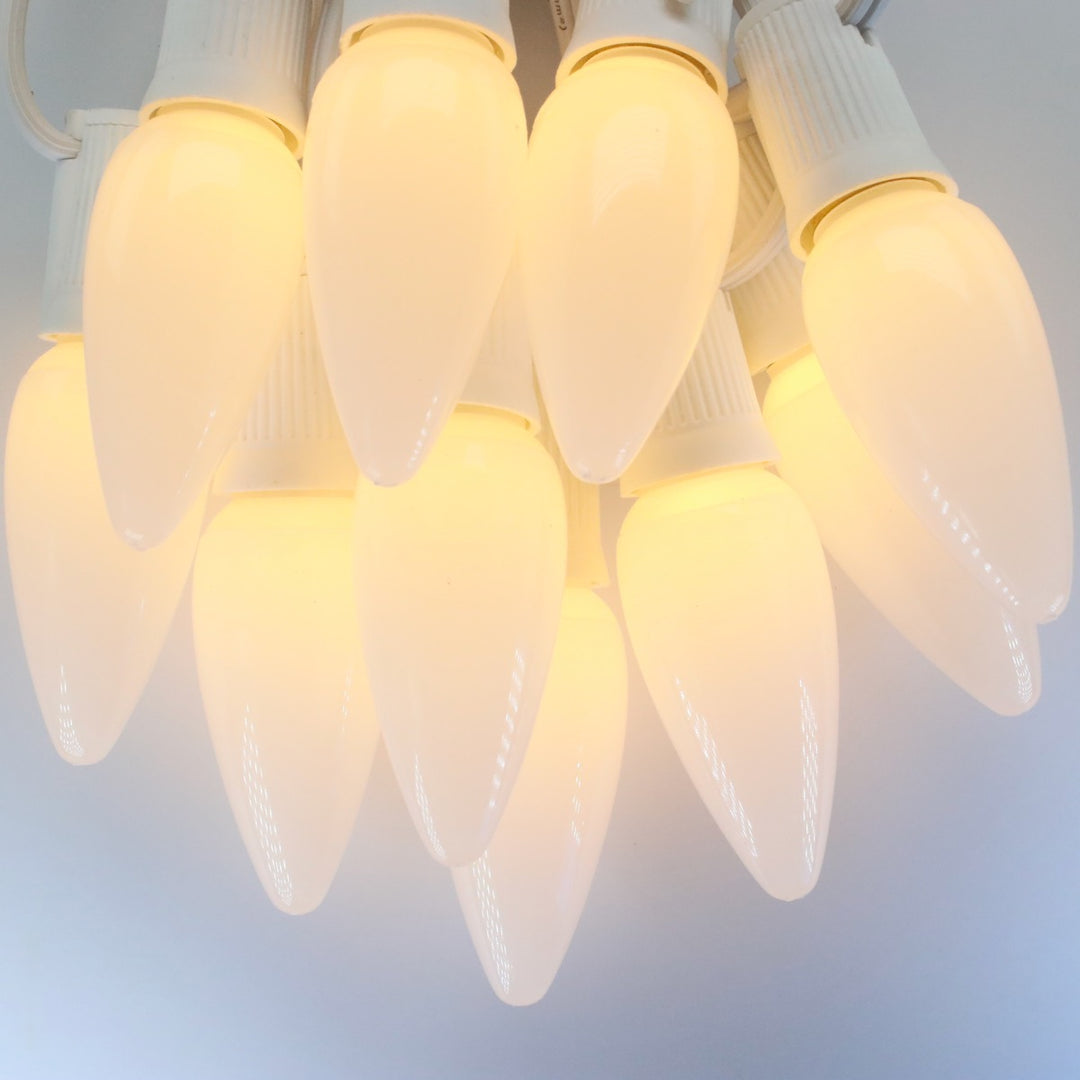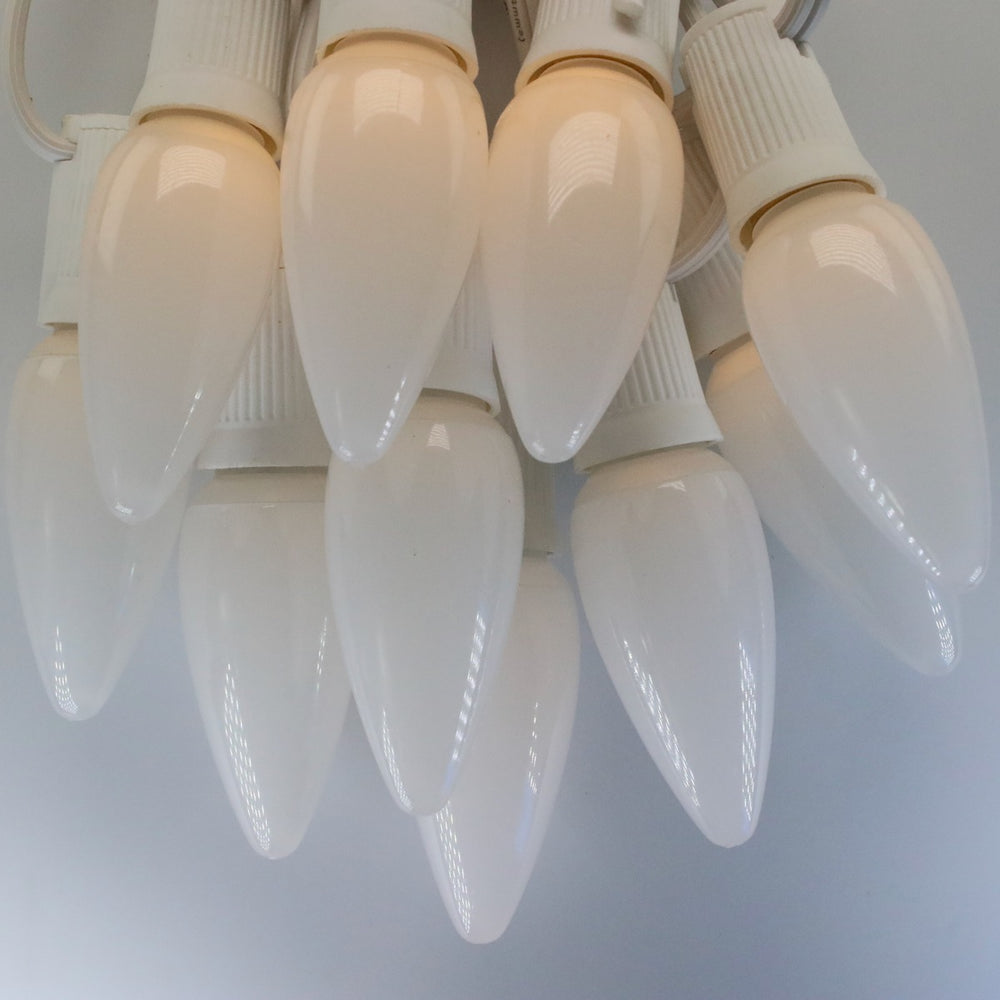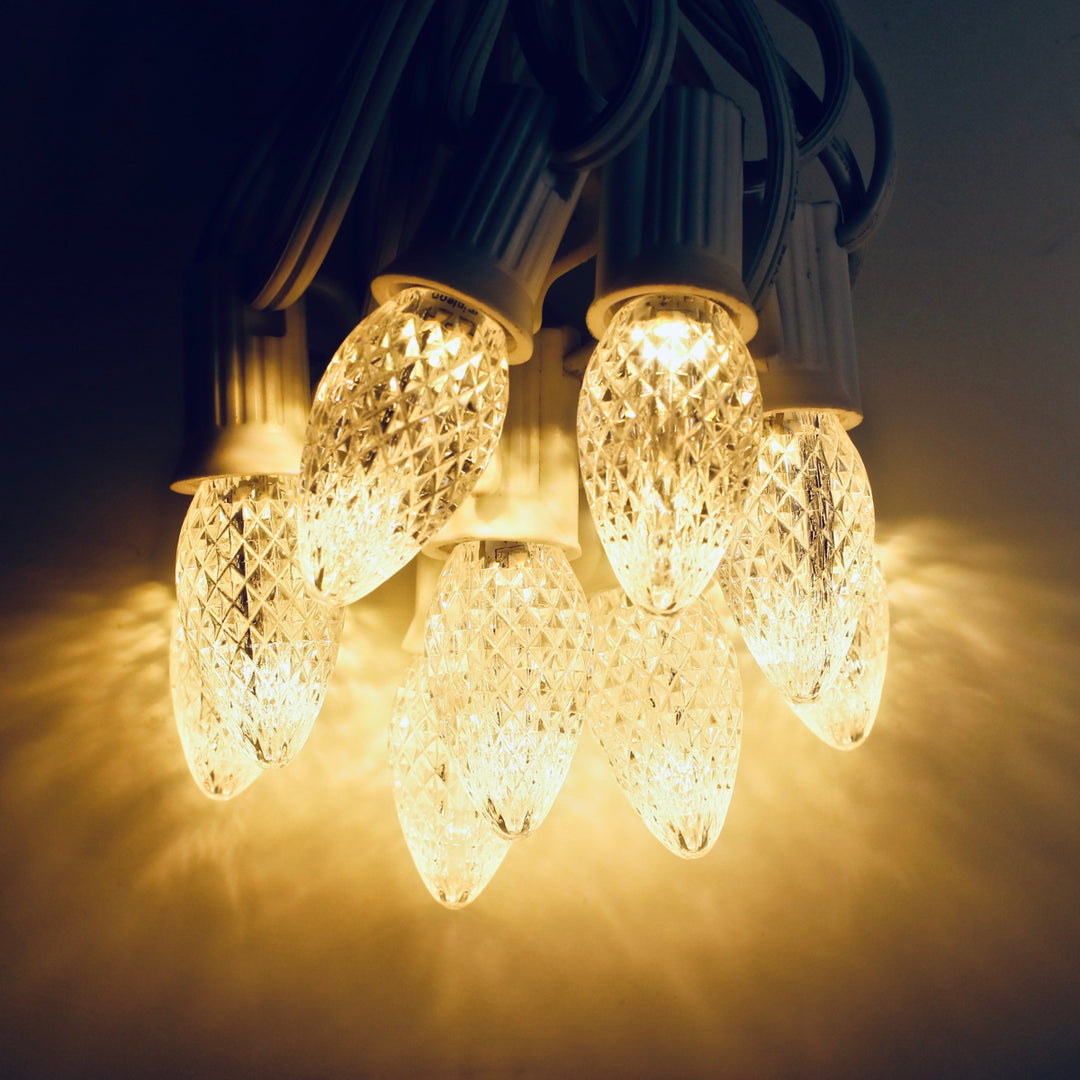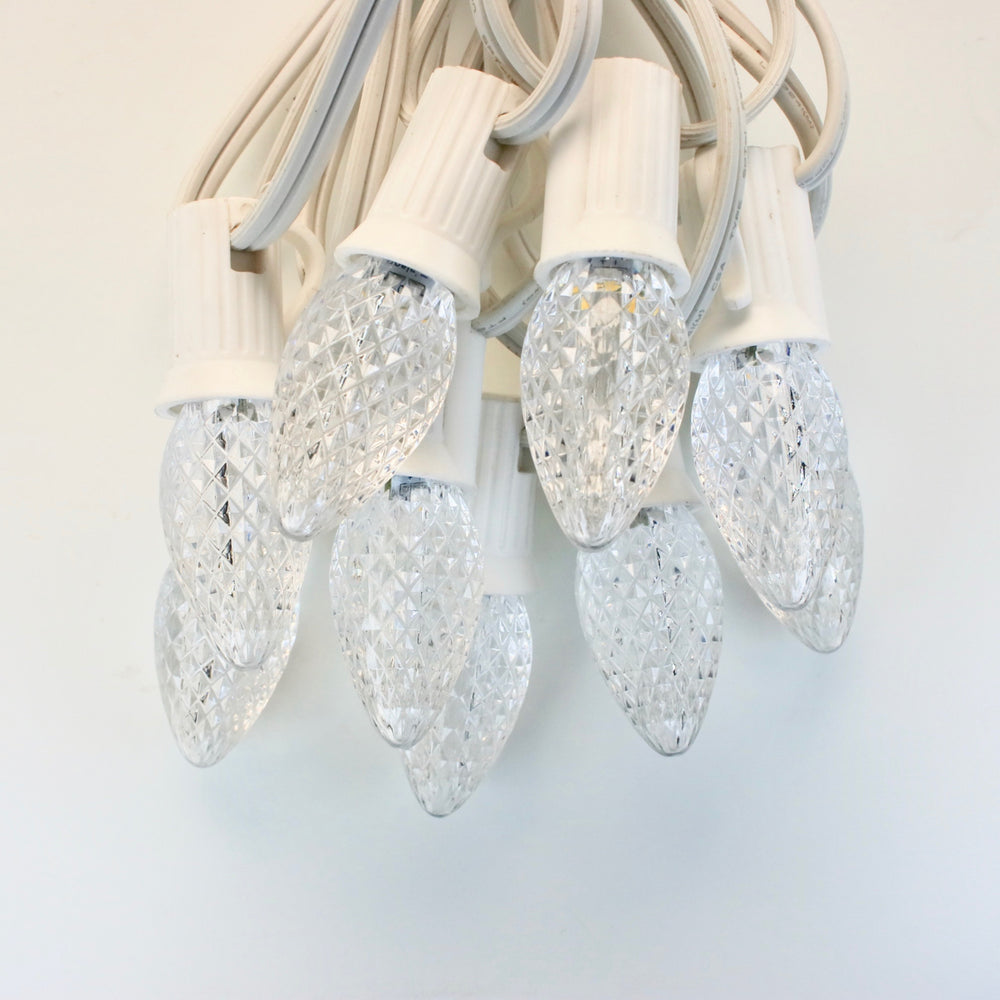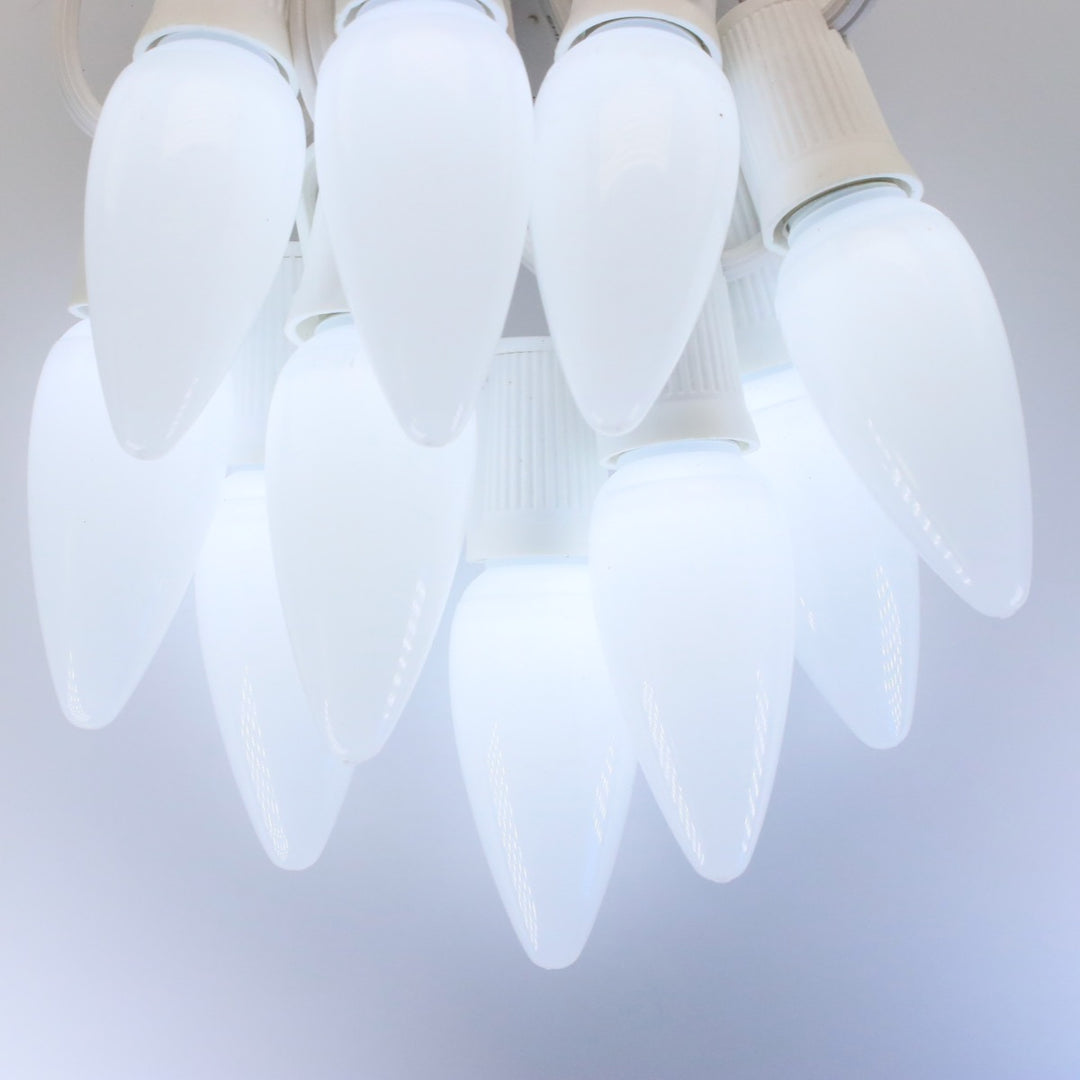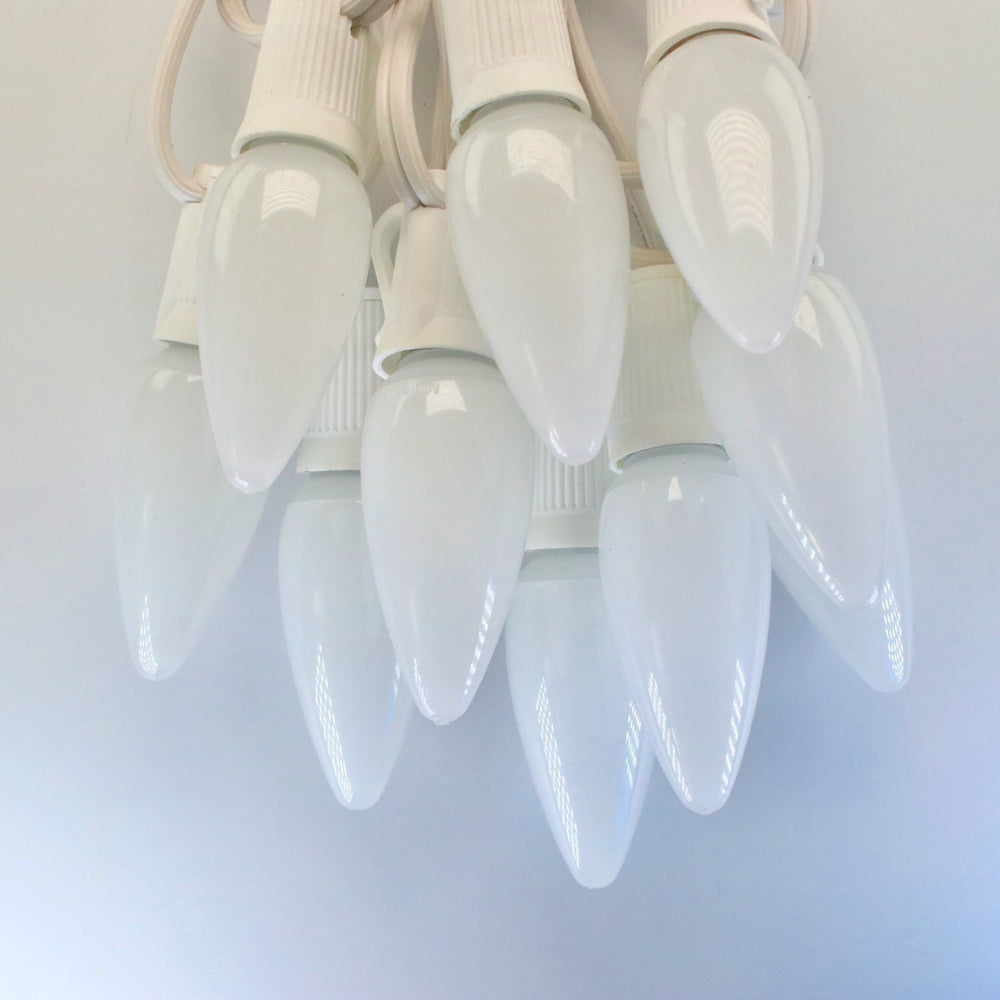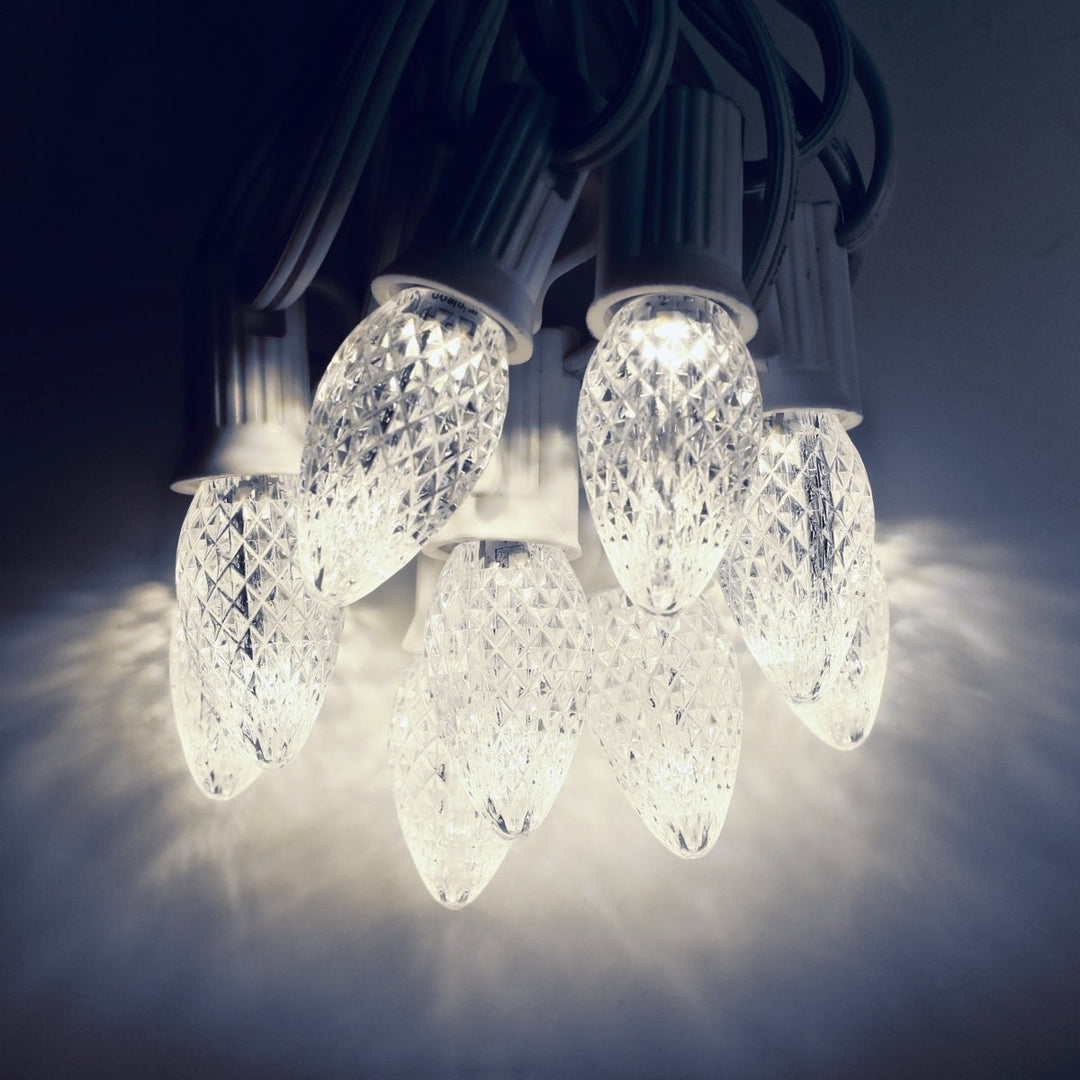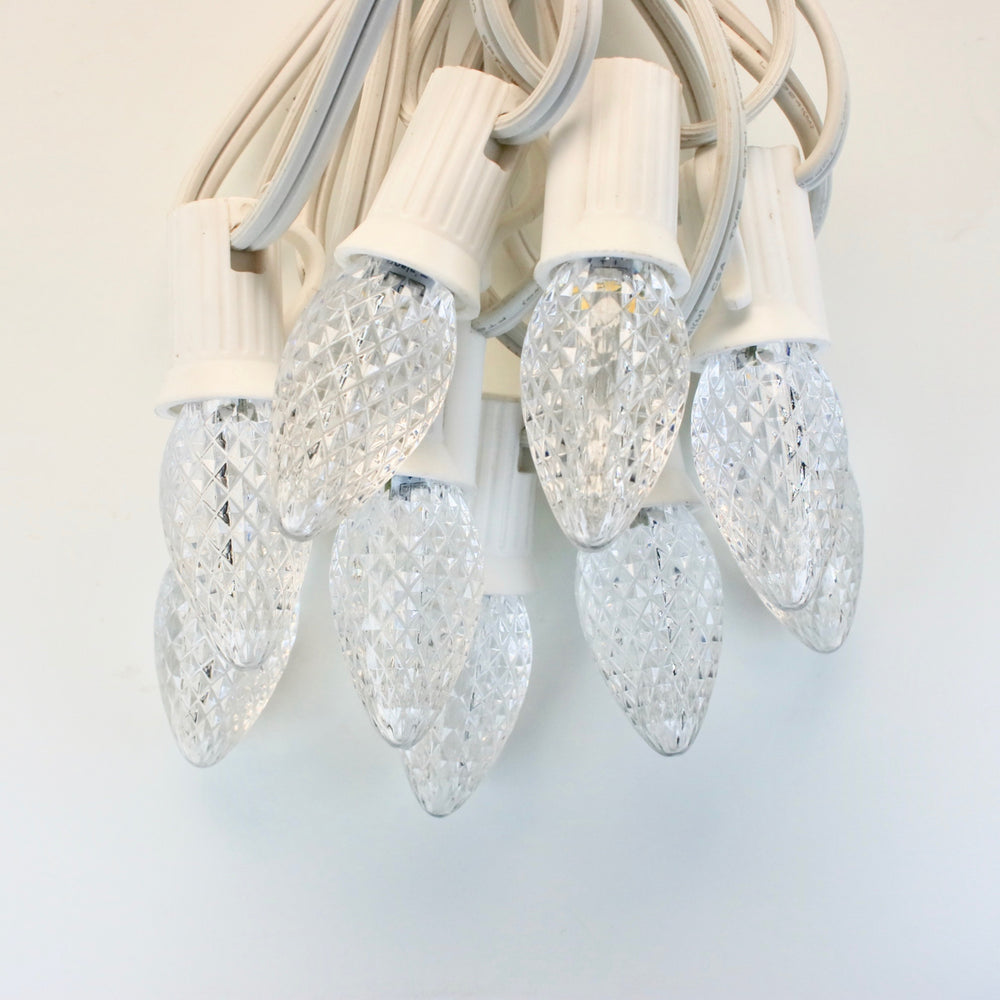
| This is a reprint of an article appearing in the Fort Worth Star Telegram in 2005. Reprint Courtesy of the Fort Worth Star-Telegram Dreaming of a Watt Christmas? As energy costs go through the roof, we offer bright ideas for beautiful, cost-conscious holiday light displays GAILE ROBINSON STAR-TELEGRAM ART AND DESIGN CRITIC Expect a cold, dark and dreary New Year, thanks to the rising cost of electricity. Two rate increases at TXU, scheduled for November and Jan. 1, will culminate in a 24 percent increase in energy charges. Although the new rates will profoundly affect home heating costs, there is a seasonal consideration as well — holiday lights. The shocking increase puts an obvious deadline on exterior light extravaganzas and will make revelers in luminosity more conscious of how many lights they put up, what kind they use, and how long they keep them on. The end date seems obvious: As the clock strikes midnight on Dec. 31, the power grid will stagger as millions of twinkles and icicles are ripped from their sockets. Energy-guzzling C-7s and C-9s, the Hummers of holiday lights, may be extinguished before the final bars of Auld Lang Syne are sung. Their cutoff is inevitable, as 14 of the C-9s use as much electricity as a 100-watt bulb. There is no way to turn back the electric meters, but you can lessen the financial blow incurred by seasonal illumination with new products that substantially cut down on the kilowatt hours used and displays that use fewer lights for maximum impact. Now's the time to consider how to get the most dramatic lighting effects using the least energy. Consider the lights you useTwinkle lights, the size used on icicle lights and garlands, are more cost-conscious than C-7s and C-9s: It takes 250 of them to equal a 100-watt bulb, but for substantial savings, consider the new LED (light emitting diode) technology: 2,500 LEDs use the equivalent energy of a 100-watt incandescent bulb. They are fairly new to holiday light displays and are still three to four times more expensive than a comparable string of incandescent lights, but they last much longer and burn significantly cooler. LEDs are constructed from tiny solid-state chips similar to those used in computers. There is no filament to heat, so the exterior globe can be made of plastic rather than glass. Often, the entire light socket and globe is a single unit. There is a reason for this: The various LED colors each take different amounts of electrical power, so bulbs of one color cannot be substituted for another color. For example, blue and white LEDs, only perfected last year, take more power to illuminate than red. The solid casing makes each little light unit impervious to weather conditions, as no moisture can enter the housing. So they last longer — 50,000 hours if used outside and 100,000 hours inside. Manufacturers estimate that figure covers more than 11 years of use if the lights are never turned off. They'll last longer if they're only used seasonally. Some LED manufacturers, such as Forever Bright Lights, claim their lights last for more than 20 years. Because there is no filament to heat, LEDs burn cool. They are only one degree warmer than the ambient air temperature, making them a safer alternative than incandescent light for use on real Christmas trees. Holiday light installers, those people who charge to hang icicles and erect giant lawn displays, have differing opinions on the most effective use of a minimum number of lights. As their clients often ascribe to the "more is more" theory of illumination, they rarely encounter a light dieter. Still, they have a few suggestions. John Gholson of Gholson Electric in Fort Worth likes to mix small colored twinkle lights with C-9s; the small lights act as ornaments for the larger bulbs, he says. Roger Sutton of A Fine Shine in Fort Worth says the best option is to use twinkle lights. They are smaller lights than the C-family and are strung closer together, so you get more definition. Because they use less electricity, you can use more of them. James Wilhite, an East Texas landscaper who hangs holiday lights for his clients, prefers the C-9s. He says nothing is better for outlining the roof, and even though that might be boring, "It gives you the best light and uses the fewest number of lights. 300 feet of lights and the roofline is lit," he says. Rope lights, which look like they would be even better for such a task, are difficult to install and never look straight, he says. They are better for hidden light, such as under handrails or eaves where the actual rope can't be seen. On Austin's West 37th St., where holiday light displays are legend, Jamie Lipman likes to hang rope lights from tree branches so they dangle toward the ground. "Or you could put them in a big glass container," he muses. Lipman has tried a number of creative projects with his holiday lights. Threading strands of twinkle lights through white plastic clothes-dryer hoses or capping each light with an amber-colored prescription drug bottle are a couple of his innovations. He has taken packages of twinkle lights, removed the boxes, and without taking the lights from the plastic holders mounted them in a checkerboard pattern directly to the side of his house, for an intense area of illumination. When asked if he considers cutting back on his light displays, he says: "No. This year I'll just put up more." Rob Blanton, general manager of Bonnie & Clyde's, a North Richland Hills Christmas/pool supply store (depending on the season), says: "Quite honestly, I'm old-school. I like the C-9s. The LEDs are all right for outlining things like windows and sidewalks," but for roofline punch, he goes for the big C-9s. Blanton says one overlooked area where consumers can save money is paying attention to their extension cords. If you are overloading your extension cords or breakers, you are wasting electricity, "If you feel heat, that is excess, unused energy," he says. He recommends using 16-gauge commercial extension cords that can handle four strands of C-9s. That's 200 feet of lights that can run off one breaker. Check your extension cords: As wires go up in size, they are ascribed smaller numbers. It's confusing; imagine gaining weight and moving from a size 12 to a size 8. "A 10-gauge wire is astronomically bigger than a 20-gauge," Blanton says. Make sure you are always plugging multiple strands of lights into an extension cord that can handle more than the lights' combined power draw. Always heed the manufacturers' warnings about how many strands can be linked together; some of the newer ones can link to five other like strands. Some manufacturers indicate on their product boxes that as many as six or more strings of LED lights can be connected end-to-end; others do not advertise the maximum number. If one errant string of incandescent lights were accidentally put in a group of LEDs, it could jeopardize the maximum wattage, so don't mix the kinds of lights plugged into one extension cord. Now, estimate your usage
There are ways to anticipate your holiday-light energy use. You will need to visit several Web sites to do so, but the effort will give you an early warning of what your January electricity bill might be. You need to know what you are being billed per kilowatt hour. If you don't know, go to www.powertochoose.com, a site maintained by the Public Utility Commission of Texas. Insert your ZIP code in the upper right-hand corner and the site will list the various power providers available to you. Find your server; the price per kilowatt hour will be listed. The charge will vary from about 10 cents to 18 cents. Next visit this Christmas Lights Electricity Calculator. Once you insert the kilowatt-hour charged at your address you will receive an estimate of your approximate per-hour cost, indicating whether you will need to pull the plug mid-December or be able to afford your lights through the first week of January or longer. Once you have a per-day cost for your lighting plan, the December electricity bill might not come as a surprise. Don't forget, TXU's rates increase again in January. Ouch. |